Food, Hydration And Tropical Routine Claims

Tropical nutrition Australia content can turn simple food and drink choices into a performance. A product may suggest detox, glow, hydration, energy, heat balance, digestion support, or natural vitality. However, food and hydration are only parts of health patterns. Sleep, workload, heat exposure, stress, travel, medicines, activity, alcohol, and diagnosed conditions also matter. This article uses Australian dietary guidance as a general education base. It does not provide a personal meal plan, hydration plan, or travel routine. It also does not claim food changes treat fatigue, dehydration, digestive symptoms, or any medical condition.
Tropical Nutrition Australia Starts With Patterns
Tropical nutrition Australia education should focus on patterns over time, not one product or one tropical ingredient. The Australian Dietary Guidelines provide general advice about food types and amounts for health and wellbeing.
However, guidelines are not personal prescriptions. They cannot know your heat exposure, appetite, medicines, culture, budget, allergies, pregnancy status, medical history, or hydration needs. Core food groups include:
- Vegetables and legumes
- Fruit
- Grain foods
- Lean meats and alternatives
- Milk, yoghurt, cheese, and alternatives
- Water as a regular drink
However, some people need tailored advice. This includes people with diabetes, kidney disease, swallowing difficulties, unplanned weight loss, digestive conditions, food allergies, eating disorders, or specific medical needs.
Heat And Hydration Claims Can Mislead
Food and drink marketing often uses words such as tropical hydration, natural energy, cleanse, cooling, balance, recovery, or detox. However, these words can imply health outcomes that require evidence and personal context. Be cautious with claims such as:
- Fixes fatigue
- Detoxes the body
- Replaces rest
- Balances minerals for everyone
- Prevents dehydration
- One drink changes everything
- Repairs digestion
These claims often go beyond responsible education. If fatigue, dizziness, severe thirst, appetite change, unplanned weight change, or digestive symptoms continue, speak with a GP or qualified health professional.
Practical Foods Still Count
Many useful foods are ordinary. They do not need wellness branding. Practical options may include:
- Water as a regular drink
- Frozen vegetables
- Canned legumes
- Rolled oats
- Brown rice
- Wholemeal bread
- Eggs
- Tinned fish
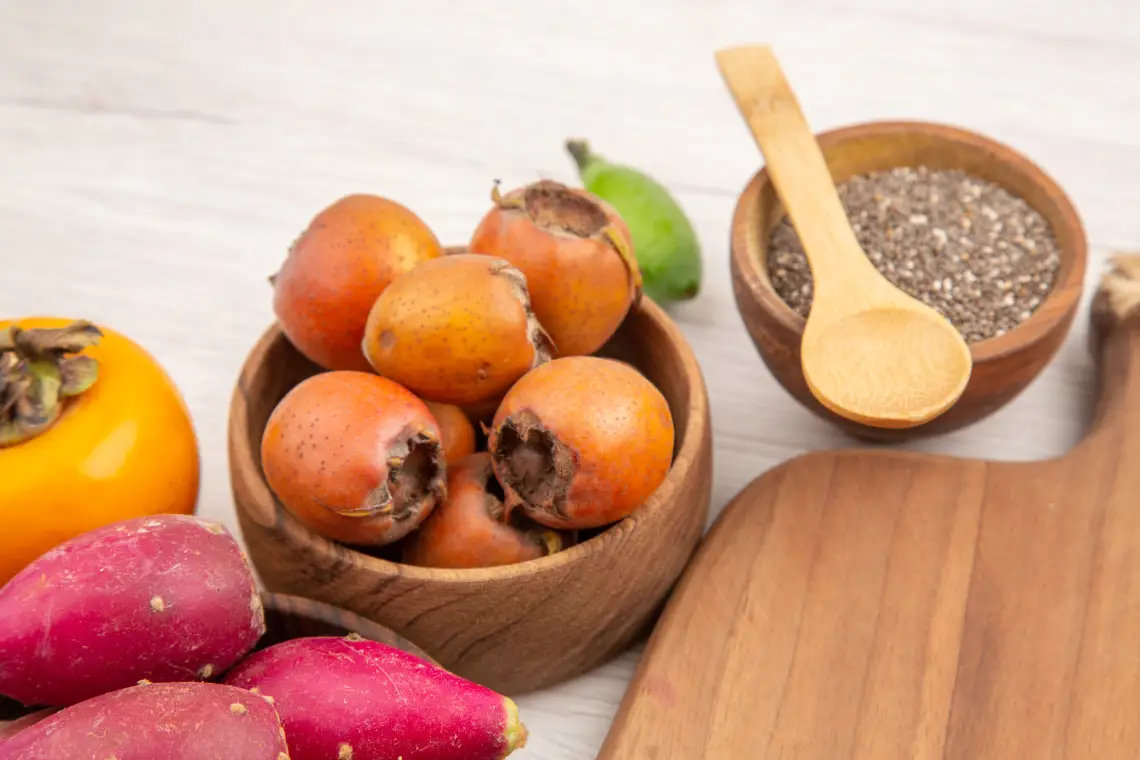
- Seasonal fruit
- Plain yoghurt
- Lentils
- Soups
For everyday meals, practical combinations may matter more than perfect products. A basic meal can include a grain, a protein food, vegetables or fruit, and water.
Questions Before Changing Your Food Pattern
Before changing your diet, ask:
- Why am I changing this?
- Is it affordable?
- Is it sustainable?
- Am I cutting out a food group?
- Could it affect medicines?
- Am I replacing clinical advice?
- Do I need professional support?
However, online articles should not replace personal nutrition care.
Supplements And Powders Are Not Shortcuts
Supplements and powders may be useful in some circumstances. However, they are not a replacement for food variety, sleep, hydration, or healthcare assessment. Some people may need supplements under professional guidance. This can include pregnancy, diagnosed deficiency, restrictive diets, low appetite, or specific medical needs.
However, this article does not recommend supplements, powders, drinks, or dosages. A GP, pharmacist, or accredited practising dietitian can consider personal factors. They may also review medicines and test results.
Tropical Food And Drink Claims To Check Before Buying
Culture, Budget And Coastal Access Matter
Australia includes many food cultures. Nutrition advice should not assume one ideal plate, climate, or routine. Balanced food patterns may include rice, noodles, lentils, fish, vegetables, flatbread, tofu, yoghurt, beans, oats, soups, tea, or simple water habits.
In addition, budget and regional access matter. Simple staples, frozen foods, canned foods, seasonal produce, and ordinary meals can all support everyday patterns. Food education should not shame people into expensive tropical products.
Frequently Asked Questions
Can food prevent heat-related illness?
This article does not make treatment or prevention claims. Heat concerns need qualified advice.
Are the Australian Dietary Guidelines personal advice?
No. They provide general guidance, not a personal meal plan.
Do I need tropical wellness powders?
Do not guess. Speak with a GP, pharmacist, or dietitian before using supplements.
Should I replace meals with drinks?
Do not replace meals or major food groups without professional advice.
The Bottom Line
Tropical nutrition Australia content should avoid quick-fix promises. Food patterns matter, but so do heat exposure, sleep, medicines, activity, hydration, travel, and personal health needs. The Australian Dietary Guidelines offer a useful education base, but they are not personal advice. Be cautious with detox claims and expensive powders. If fatigue, thirst, appetite change, or symptoms continue, speak with a qualified healthcare professional.
Disclaimer: The information in this article is for educational purposes only. It does not constitute medical advice and is not a substitute for professional healthcare. Always consult a qualified healthcare professional before making any changes to your health routine.